
Start Pitch Spectrogram
Click to activate the microphone and see every note sounding at once
Spectrogram tailored for musicians
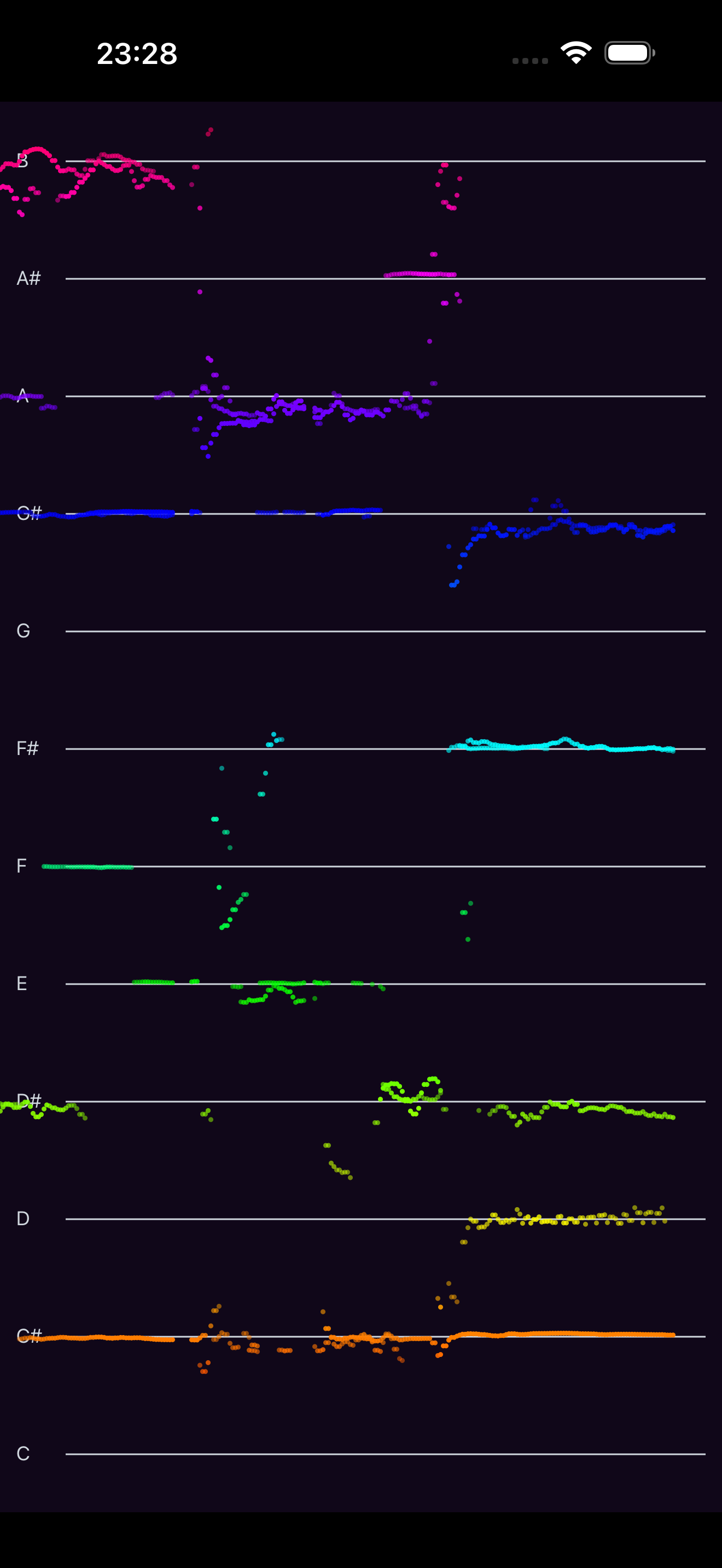
Hear a chord and wonder what notes are in it? The polyphonic pitch spectrogram shows you every note sounding at once — perfect for transcribing songs, analyzing voicings, or understanding how harmonic overtones contribute to timbre.
In the app
Here are some things that are even better in the app.
-
Customizable piano roll
Choose chroma or full-range mode, and set the piano-roll skin.
-
Improved algorithms
Higher sensitivity to overtones and quieter notes.
-
Better form factor
Improved portability, performance, and diagram quality.
The Full Experience

Decode Chords & Harmony
Harmony is easier to understand when you can watch it happen than when you read a name for it afterwards.
You get the notes, not a chord name
A label rounds away the added ninth and the suspended fourth. Every pitch it finds is drawn, so you can see what actually made the sound.
Overtones are shown, not filtered out
The fainter dots stacked above a note are its harmonics — the reason the same chord sounds warm on one instrument and thin on another.
No song database to look it up in
Point it at a record, a piano, or a room full of singers. It reads what is sounding now rather than matching a track it already knows.
10 Tools for Musicians
The mobile app groups them the same way: analyze what you play, make sound, then train your ear.
Analyze
Pitch Diagram
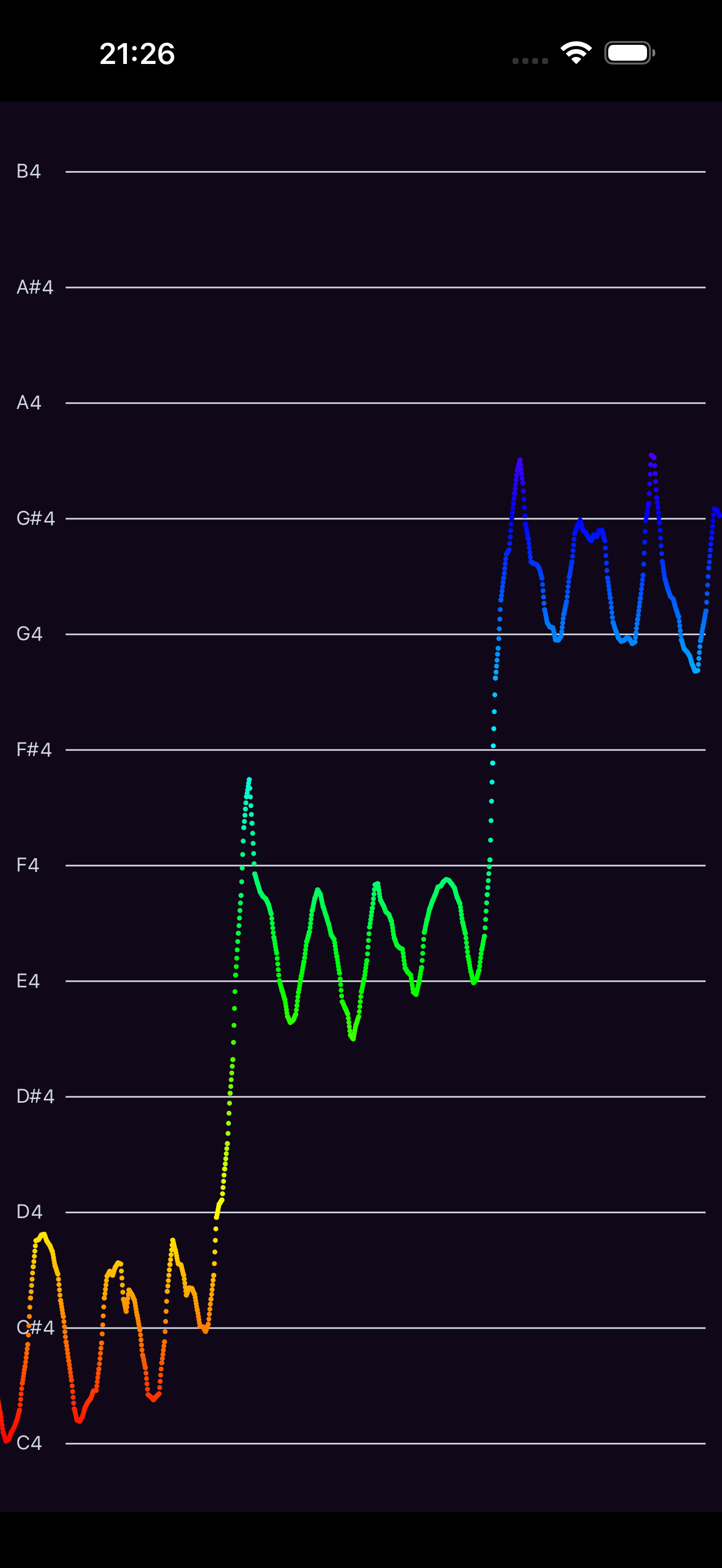
Real-time pitch graph. See every note you sing or play.
Pitch Spectrogram
See multiple notes at once. Analyze chords and harmonies.
Tuner
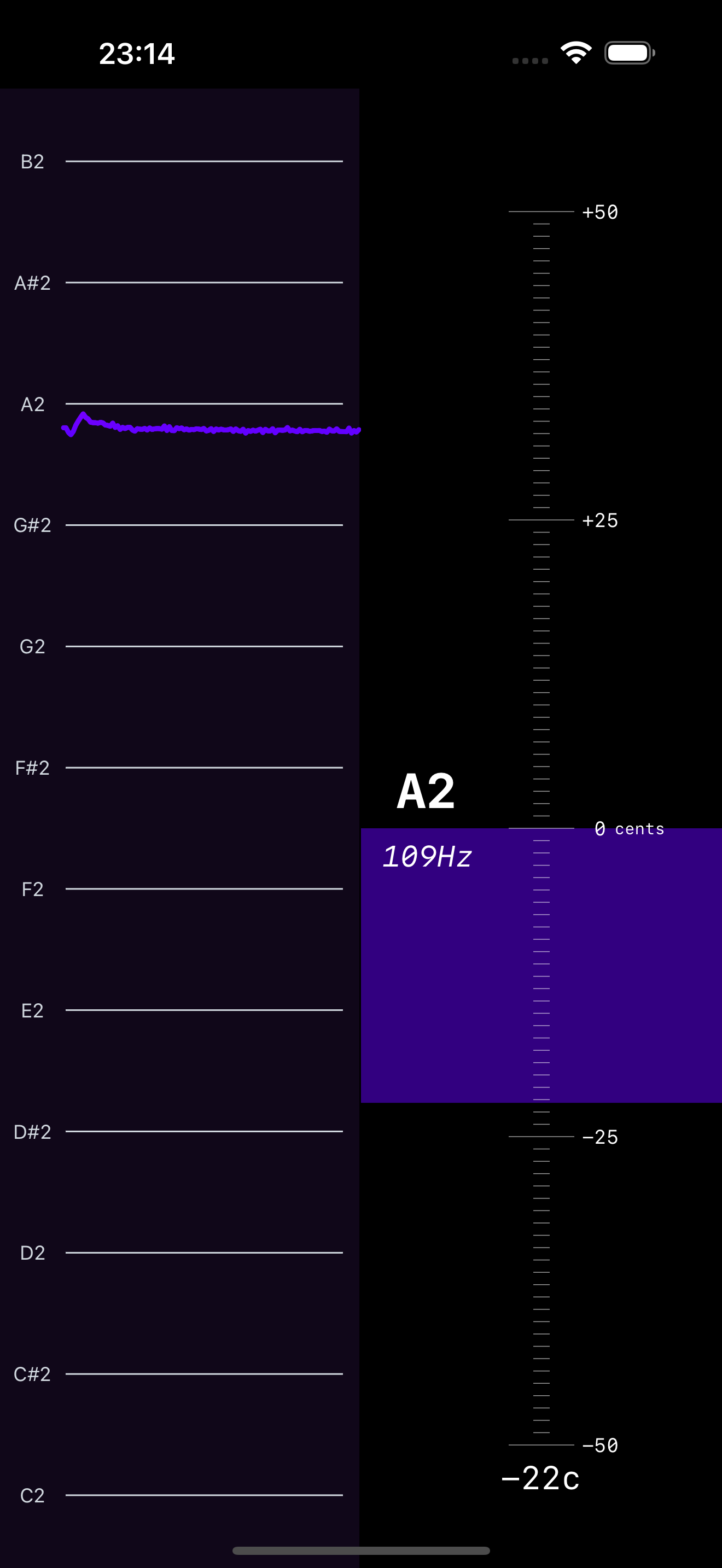
Cent-accurate chromatic tuner with spectrogram context.
Intonation Tracker
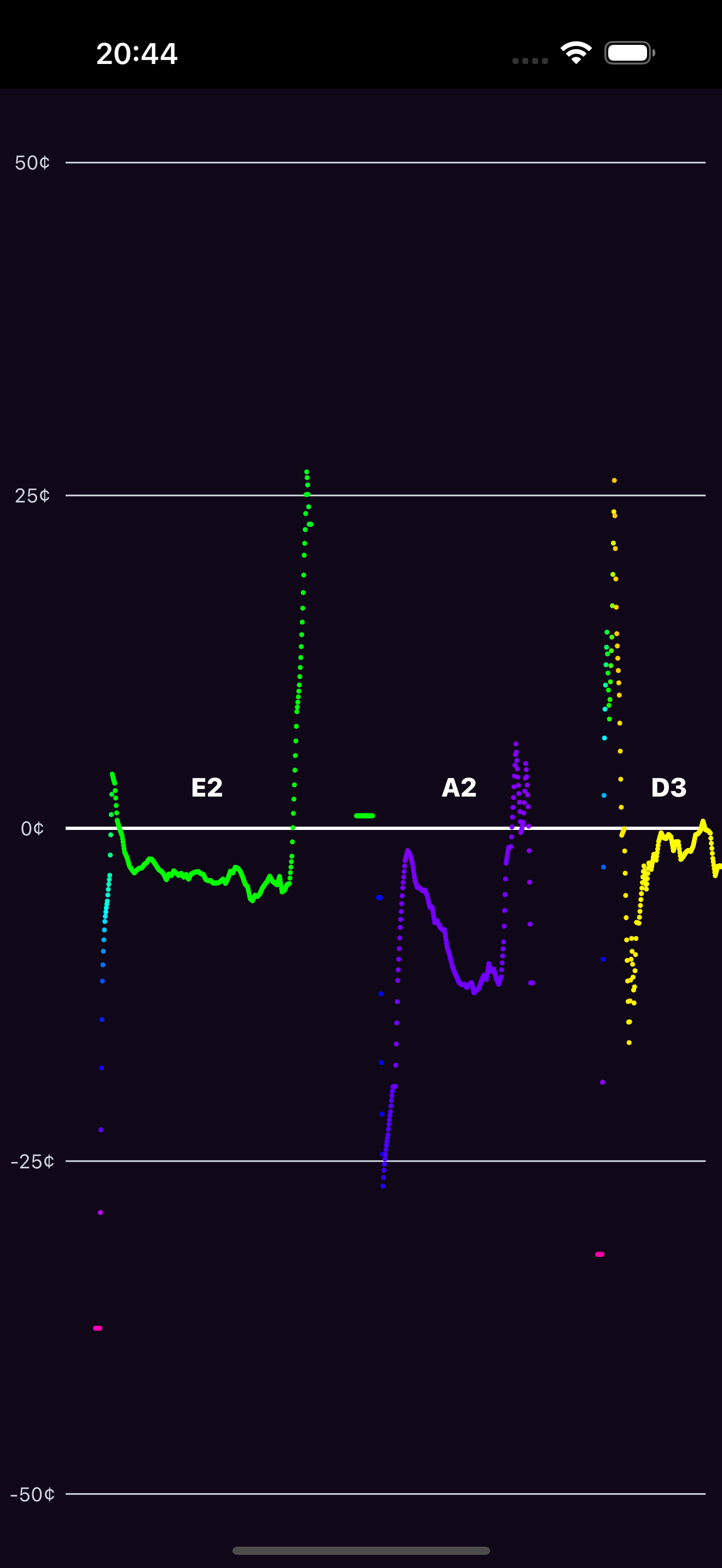
Track how close you are to each target note in cents.
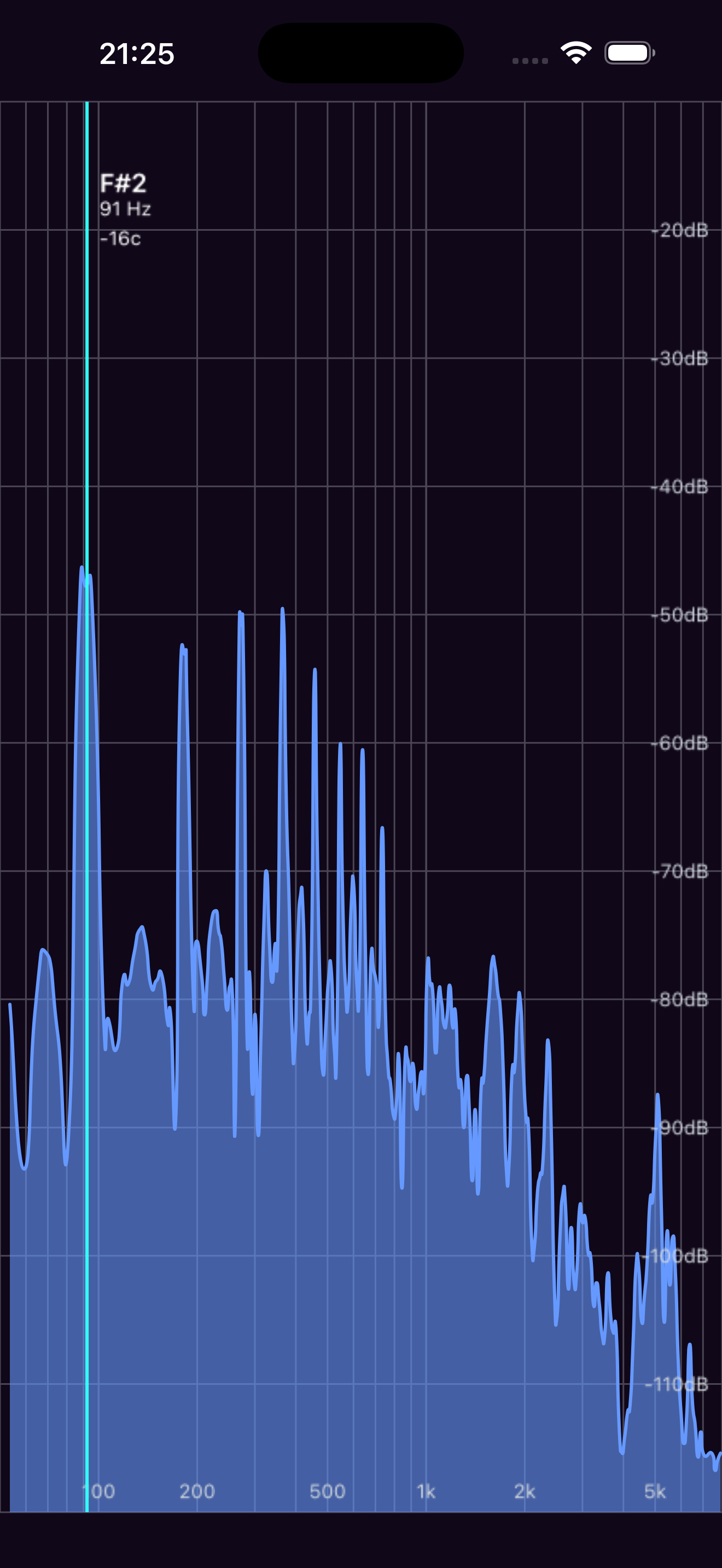
Spectrum Analyzer
Log-frequency spectrum from 10 Hz to 20 kHz.
Sound
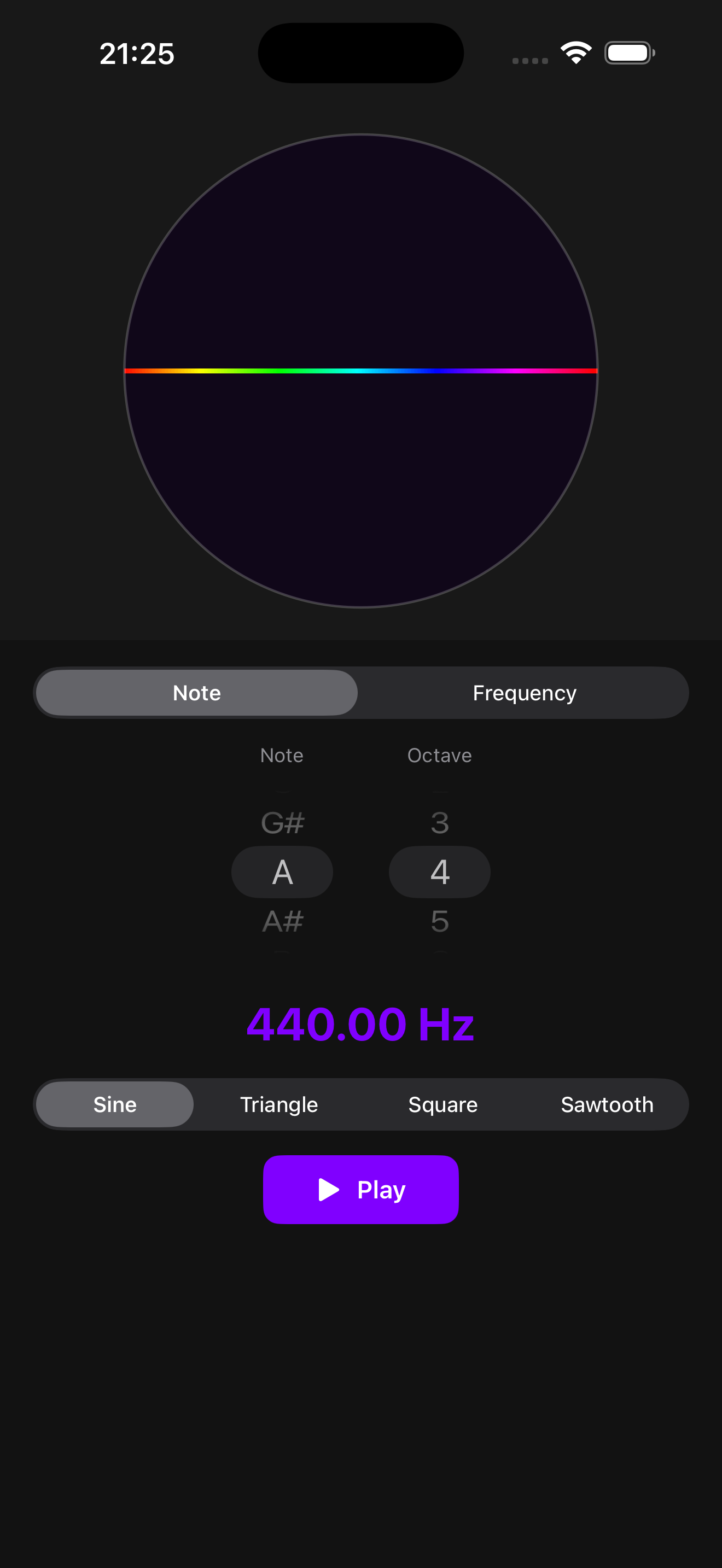
Tone Generator
Generate reference tones by note name or frequency.
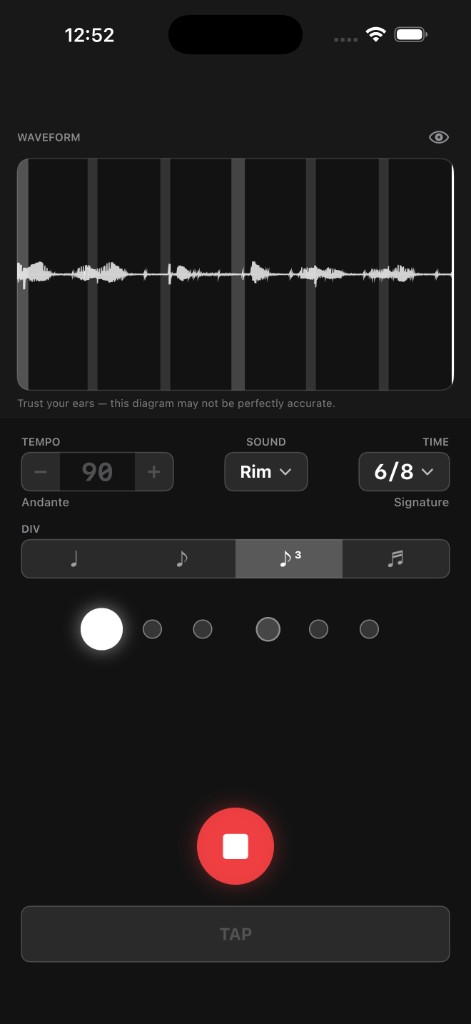
Metronome
Practice rhythm with visual beat tracking and waveform feedback.
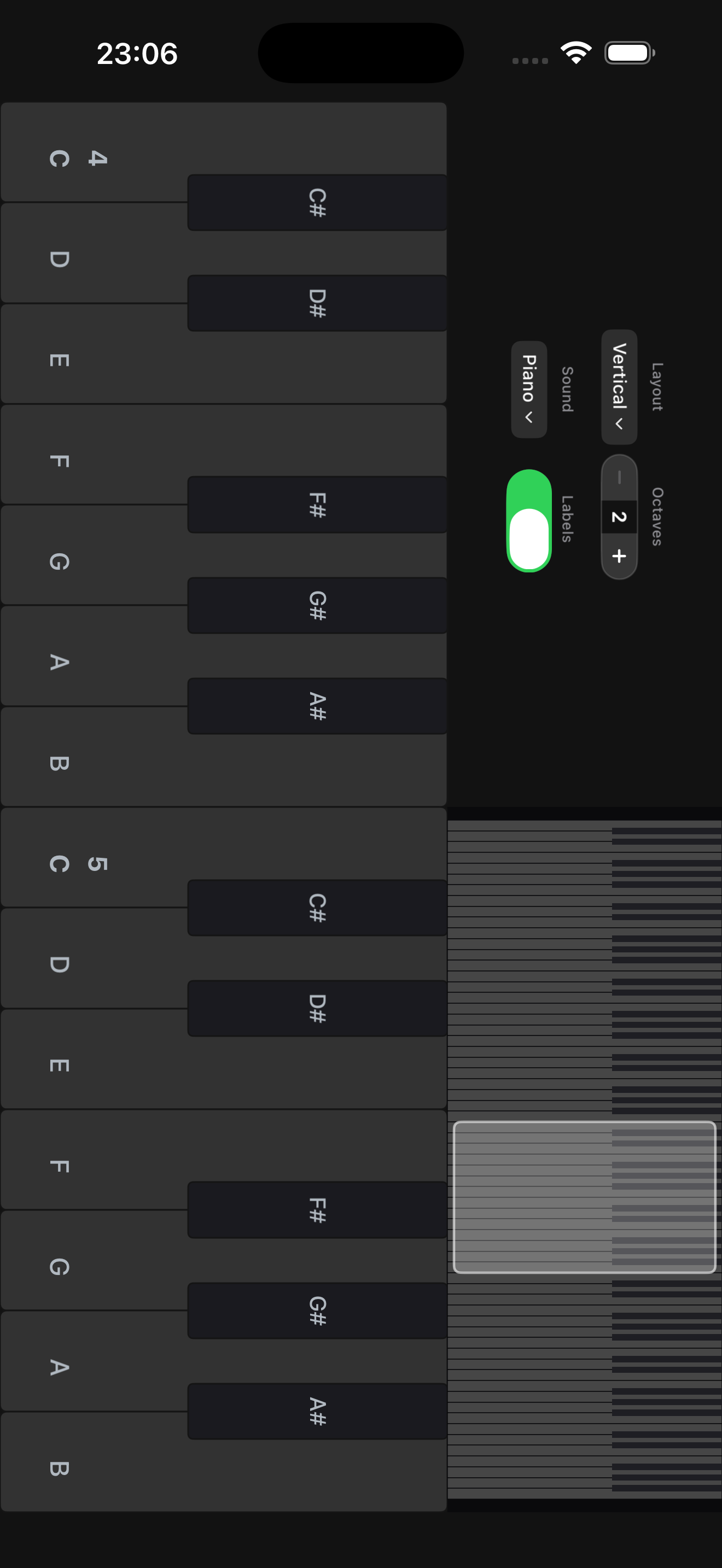
Keyboard
Sampled instruments, visual feedback, and quick octave controls.
Learn
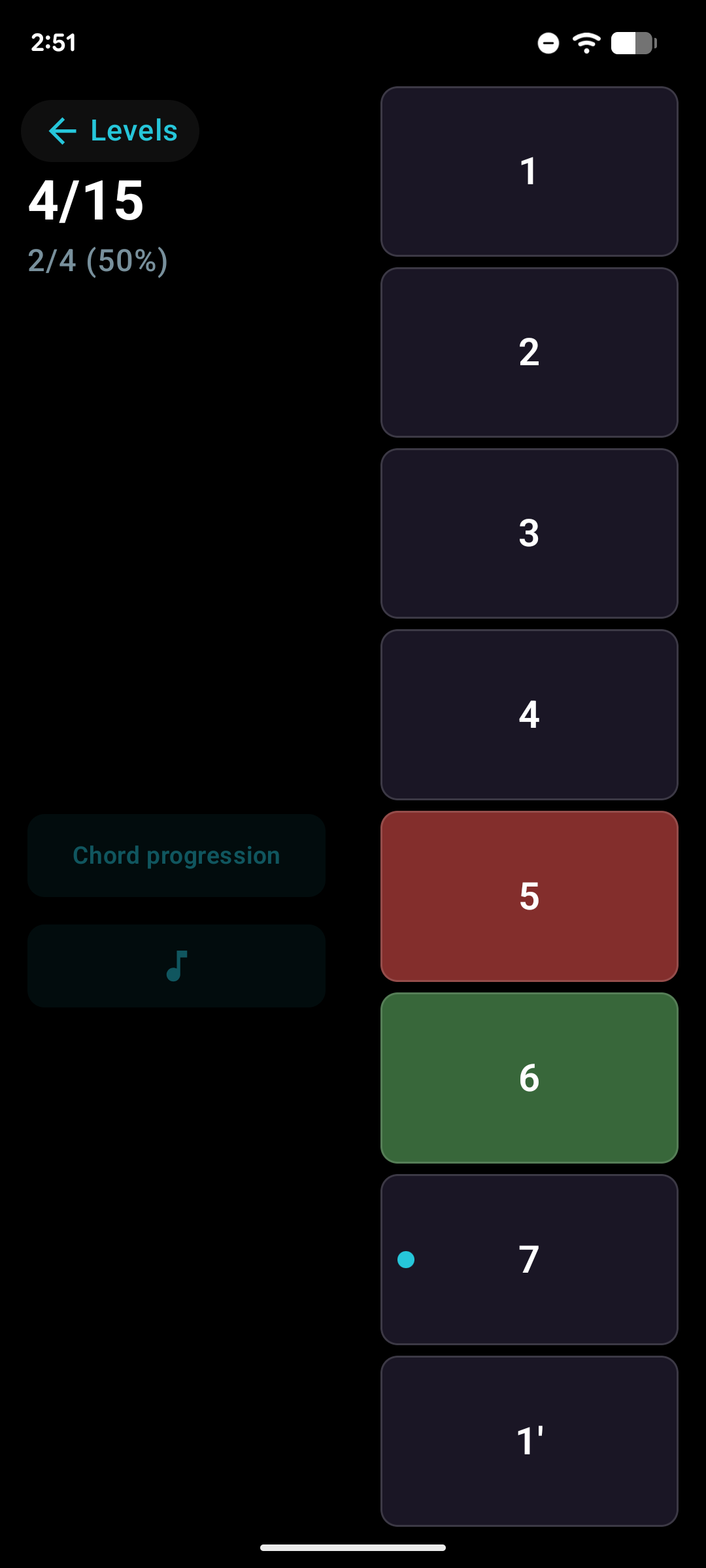
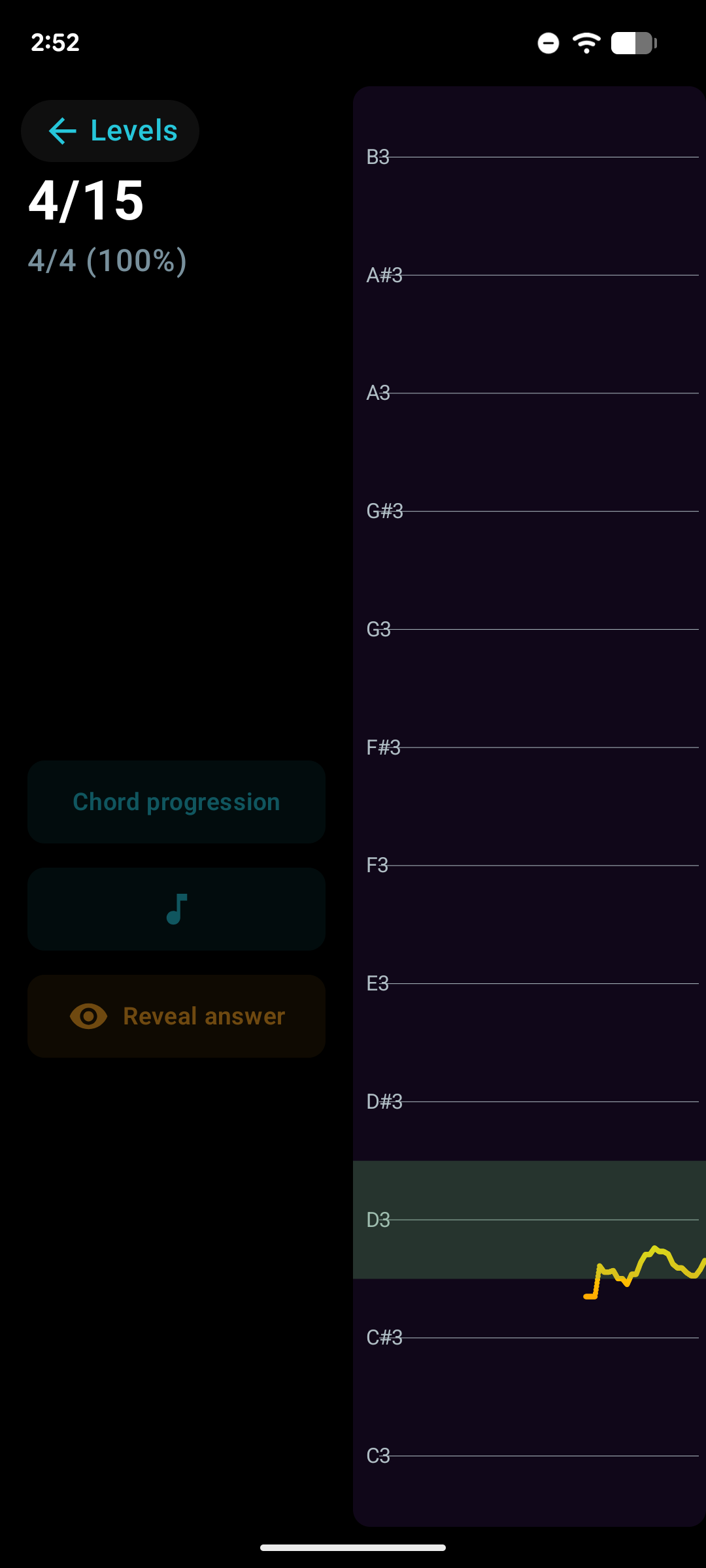
Relative Pitch Interval Training
Identify scale degrees by ear. Hear a cadence and tap the correct degree.
Solfege Trainer
Sing scale degrees in key. Build pitch memory through vocal practice.
Available on iOS and Android